CNN and CBS News to Change Hands: Ellison Family Takes Control Amid Paramount and Warner Bros. Discovery Merger


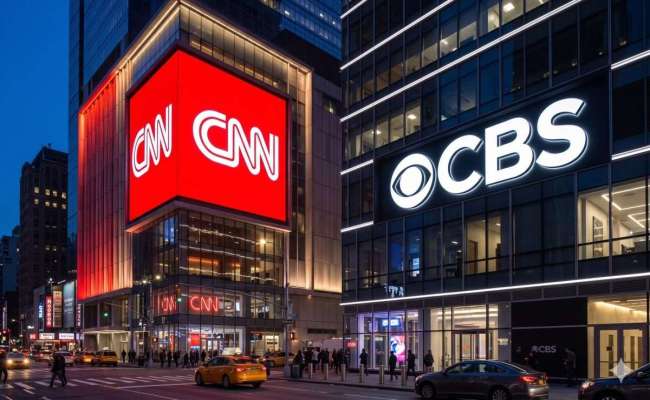
A landmark global media deal is expected to close in the third quarter of 2026, with Paramount Skydance acquiring Warner Bros. Discovery for $110.9 billion. The merger will bring two of the largest U.S. news networks, CNN and CBS News, under the umbrella of a single corporation led by CEO David Ellison and his father, Oracle founder Larry Ellison. While the U.S. Justice Department’s Antitrust Division greenlit the acquisition in June 2026, the deal is still pending approval from European regulators and faces potential lawsuits from California authorities over market monopolization concerns.
Amid the impending merger, the industry is actively discussing the political alignment of the new owners, particularly their open and long-standing support for Israel. Larry Ellison has historically been one of the largest private donors to the Friends of the Israel Defense Forces (FIDF), an organization dedicated to supporting IDF soldiers. In 2014, he donated $10 million to the foundation, followed by a $16.6 million contribution in 2017 to fund the construction of a training facility for Israeli troops. Concurrently, Oracle works closely with the Israeli government, providing the country’s defense and public sectors with advanced cloud technologies and data centers.
This pro-Israel stance is also evident in David Ellison’s actions at the helm of Paramount. The studio was among the first in Hollywood to officially condemn petitions calling for a boycott of Israeli institutions at international film festivals. Furthermore, immediately following the events of October 7, the company publicly declared its solidarity with Israel. Internally, the corporation maintains a strict ban on collaborating with cultural figures whose statements are deemed antisemitic or interpreted as justifying violence.
The Ellison family’s arrival is expected to mark a significant step toward addressing the editorial challenges CNN has repeatedly faced in its coverage of the Middle East conflict. In recent years, the network has drawn criticism from experts, journalists, and public organizations over several high-profile errors and controversial editorial decisions. Specifically, the network’s coverage of the Al-Ahli hospital incident, its reliance on data provided by entities within the Gaza Strip, and issues surrounding the work of certain freelance journalists in the region have sparked intense debate. Against this backdrop, the new ownership is widely expected to implement a stricter approach to fact-checking, source management, and adherence to journalistic standards.
