Nuclear Materials to Be Removed from Syria’s “Site 99” Under U.S.-Israel-Damascus Agreement


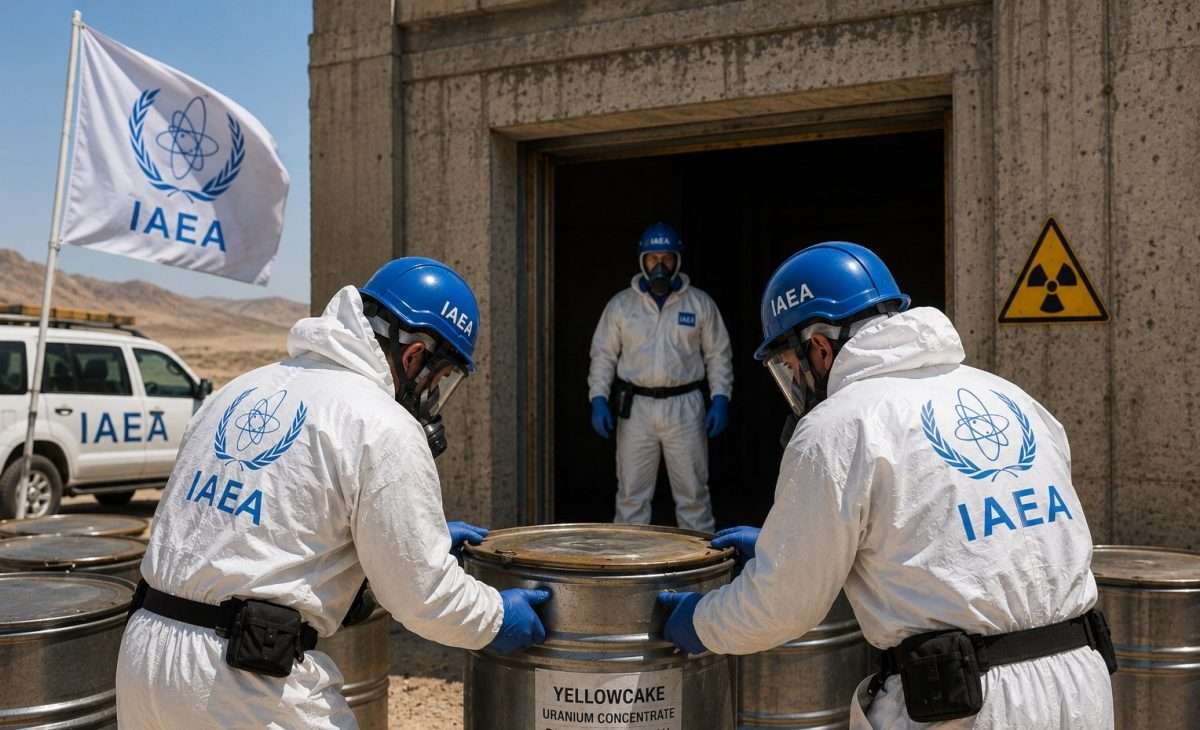
Nuclear materials stored at the classified “Site 99” in Syria are set to be removed under an agreement between the United States, Israel and the Syrian authorities. Axios reported the understanding, citing U.S. and Israeli officials. The International Atomic Energy Agency (IAEA) is expected to oversee the removal, with the operation due to be completed by the end of 2026.
The site is linked to the former nuclear program of Bashar al-Assad’s regime. The facility contained materials left over from activities related to Syria’s nuclear infrastructure, including the reactor at Al-Kibar in eastern Syria. Israel destroyed the reactor in 2007, but materials and facilities associated with Syria’s nuclear program remained in the country.
According to sources, Site 99 contained uranium concentrate known as yellowcake. Its presence at the abandoned facility raised concerns in Israel over the risk of unauthorized access to nuclear materials. Israeli officials reportedly demanded that the materials be removed and warned that they could consider striking the site if the issue was not resolved.
The talks on removing the materials were held with U.S. mediation. Washington sought to ensure their safe removal and prevent a new military operation in Syria. Under the agreement, the Syrian authorities will provide the IAEA with the necessary access to the site, while the agency will oversee the removal and ensure the materials are transported safely.
The agreement is seen as a way to reduce the risk of renewed tensions between Israel and Syria while addressing the issue of nuclear materials left over from the former Syrian regime’s program. For the IAEA, the operation will also form part of its efforts to monitor and secure sites associated with Syria’s nuclear legacy.
