Portuguese Parliament Approves Bill Banning Niqabs and Burqas, With Fines Up to €4,000


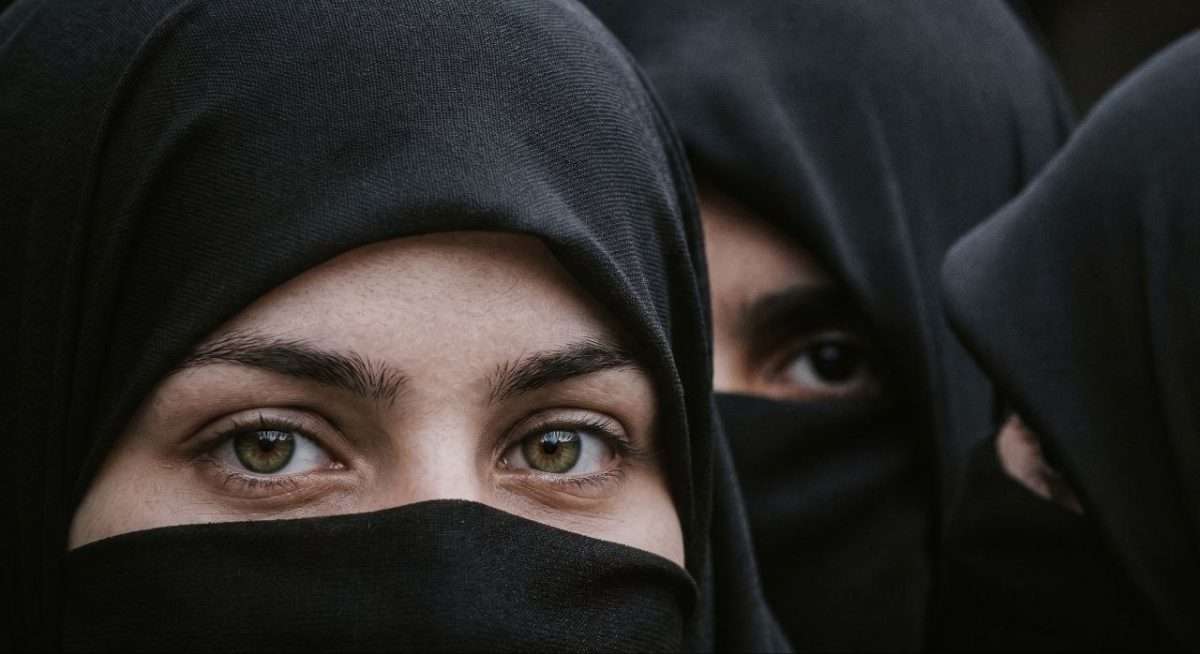
Portugal’s parliament has passed a bill banning clothing that fully covers the face in public spaces for religious or gender-related reasons, primarily targeting traditional Islamic garments such as the burqa and the niqab. The move reflects an effort to bolster public safety by ensuring individuals can be readily identified. If enacted, the legislation would align Portugal with other European nations prioritizing public security measures.
The new legislation outlines penalties for both individuals wearing the garments and those who force others to do so. Wearing a burqa or niqab in public will carry significant fines ranging from €200 to €4,000. Initially, the bill included strict criminal penalties, threatening husbands or relatives who use force, pressure, or threats to compel women to wear a burqa with up to three years in prison. However, this provision was walked back during parliamentary readings; the three-year sentence was dropped from the final draft, replaced by additional administrative fines and a reduced maximum sentence of two years in prison for cases of direct coercion. The bill also includes several exemptions, allowing face coverings on airplanes, on the grounds of diplomatic missions, and inside places of worship.
The bill was spearheaded by the right-wing Chega party and garnered support from center-right lawmakers during the vote. Sponsors of the measure cited women’s rights and national security to justify the ban. The text of the legislation explicitly describes the burqa as a symbol of oppression that marginalizes and degrades women, arguing it is incompatible with the fundamental principles of freedom, equality, and human dignity. During parliamentary debates, lawmakers emphasized that no woman in a democratic society should be forced to hide her face.
Public security concerns served as a secondary, yet crucial, argument. Proponents of the ban noted that concealing one’s face directly hinders identification. They argued that the inability to visually identify individuals in public spaces severely complicates law enforcement efforts, compromises the effectiveness of security systems, and poses a direct threat to the public.
With this legislation, Portugal joins a growing list of European nations—including France, Belgium, Austria, and the Netherlands—that have already implemented similar full or partial bans on face coverings. To become law, the bill must be signed by Portuguese President Marcelo Rebelo de Sousa. He retains the constitutional authority to veto the measure or refer it to the country’s highest court for a preemptive constitutional review.
